
Introduction
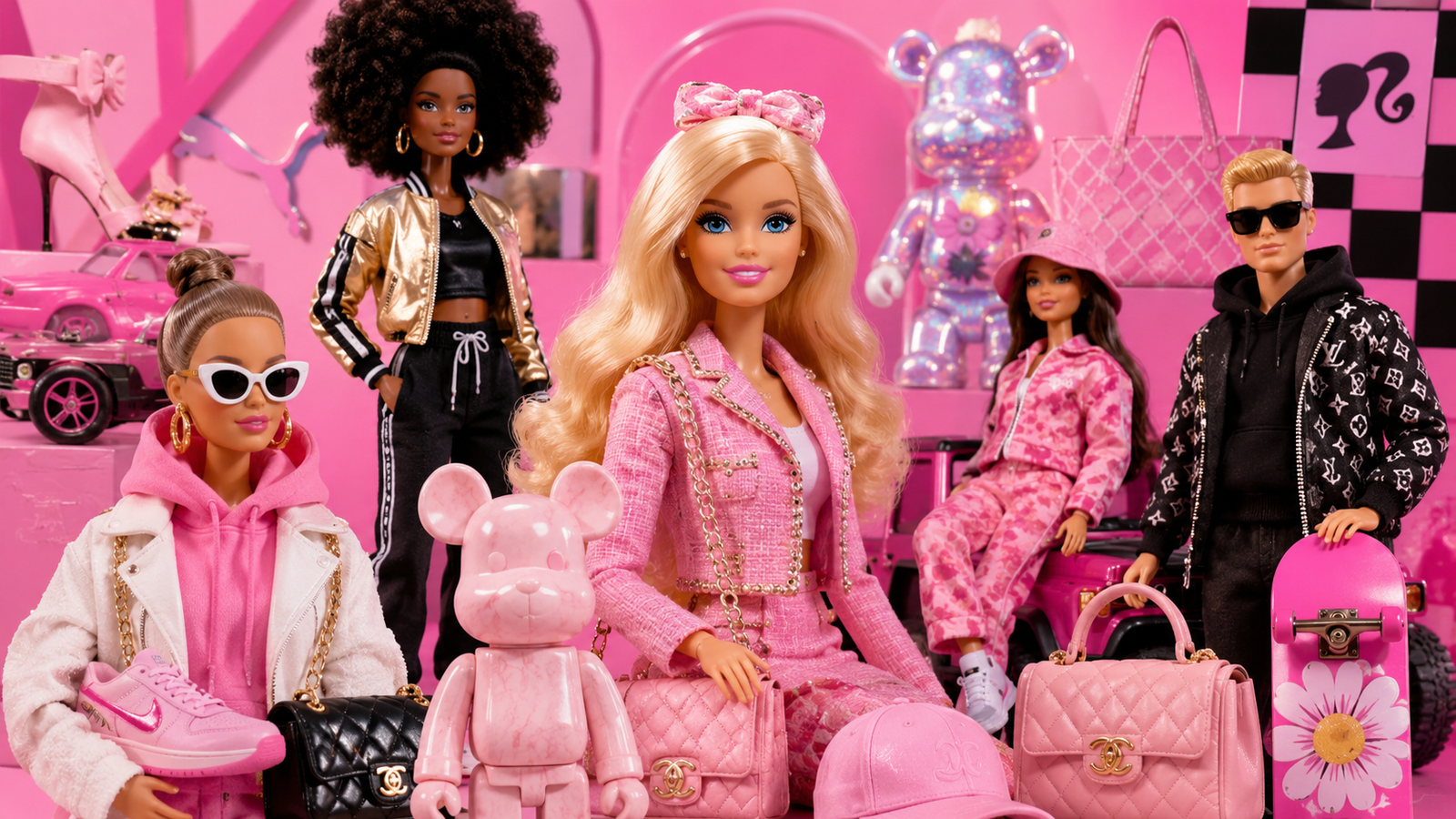
Barbie collaborations have become one of the most powerful strategies in modern branding, blending fashion, entertainment, culture, and commerce into a unified narrative that resonates across generations. Since her debut in 1959, Barbie has evolved far beyond a traditional doll into a global icon that reflects trends, social movements, and aspirational lifestyles. In recent years, collaborations have played a central role in redefining Barbie’s identity, allowing the brand to stay relevant in an increasingly competitive and fast-changing market.
These partnerships span industries, from luxury fashion houses to streetwear brands, from blockbuster films to tech companies. Each collaboration brings a fresh perspective, introduces Barbie to new audiences, and reinforces her position as a cultural chameleon. The strategic use of collaborations is not merely about selling products but about storytelling, cultural alignment, and emotional engagement.
This article explores the world of Barbie collaborations in depth, examining their origins, evolution, business strategy, cultural significance, and future potential. By understanding how these partnerships work, readers can gain valuable insights into branding, marketing innovation, and the power of collaboration in shaping consumer perception.
The Evolution of Barbie as a Collaborative Brand
Barbie began as a standalone product, representing an idealized version of adulthood that allowed children to imagine their future selves. In the early decades, the brand focused primarily on expanding Barbie’s universe through different professions, outfits, and playsets. However, as consumer expectations evolved, the need for innovation became more pressing.
The shift toward collaborations began as a natural extension of Barbie’s identity as a fashion-forward and culturally aware figure. Early partnerships were modest, often limited to licensing deals with designers or themed editions. Over time, these collaborations became more sophisticated and strategic, reflecting broader changes in marketing and consumer behavior.
The transformation accelerated in the digital age, where brand partnerships became essential for visibility and relevance. Barbie collaborations started to reflect real-world trends, including diversity, sustainability, and inclusivity. This evolution marked a turning point, positioning Barbie not just as a toy but as a platform for creative expression and cultural dialogue.
The Strategic Purpose Behind Barbie Collaborations
Barbie collaborations are carefully designed to achieve multiple business objectives simultaneously. At their core, these partnerships aim to expand the brand’s reach by tapping into the audience of the collaborating entity. This cross-pollination allows Barbie to connect with consumers who may not traditionally engage with the brand.
Another key purpose is brand rejuvenation. Collaborations inject freshness into Barbie’s image, preventing it from becoming outdated. By aligning with contemporary brands and cultural icons, Barbie maintains a sense of relevance that is crucial in today’s fast-paced market.
Collaborations also serve as a storytelling mechanism. Each partnership tells a unique story, whether it is about empowerment, creativity, or innovation. These narratives resonate with consumers on an emotional level, creating a deeper connection with the brand.
From a financial perspective, collaborations often lead to increased sales and brand visibility. Limited-edition releases create a sense of urgency and exclusivity, driving demand and enhancing the perceived value of the products.
Barbie and Fashion: A Natural Partnership
Fashion has always been at the heart of Barbie’s identity, making collaborations with fashion brands a natural fit. Over the years, Barbie has partnered with both high-end designers and accessible fashion labels, creating collections that appeal to a wide range of consumers.
Luxury collaborations bring prestige and elevate Barbie’s status as a fashion icon. These partnerships often feature intricate designs, high-quality materials, and attention to detail, reflecting the craftsmanship associated with high fashion. On the other hand, collaborations with mainstream and streetwear brands make Barbie more accessible and relatable, bridging the gap between aspiration and everyday style.
These fashion collaborations often extend beyond dolls to include clothing lines, accessories, and lifestyle products. This expansion allows consumers to engage with the brand in new ways, integrating Barbie into their personal style and daily lives.
The impact of these partnerships goes beyond commerce. They influence fashion trends, inspire creativity, and reinforce Barbie’s role as a symbol of self-expression.
Barbie Collaborations in Entertainment and Media
The entertainment industry has played a significant role in the growth of Barbie collaborations. Partnerships with films, television shows, and digital platforms have expanded Barbie’s narrative universe, making her more dynamic and engaging.
The release of major films featuring Barbie has opened new opportunities for collaborations across various industries. These partnerships often include merchandise, promotional campaigns, and co-branded products that amplify the reach of the film.
Streaming platforms and digital content creators have also become important collaborators. By appearing in diverse media formats, Barbie connects with audiences in ways that go beyond traditional play. This integration into entertainment allows the brand to stay relevant in an era where content consumption is constantly evolving.
These collaborations also contribute to character development. They allow Barbie to take on different roles, explore new themes, and reflect contemporary issues, making her more relatable to modern audiences.
Cultural Impact of Barbie Collaborations
Barbie collaborations have a profound cultural impact, shaping perceptions and influencing societal trends. By partnering with brands and individuals that represent diverse perspectives, Barbie becomes a vehicle for cultural expression and inclusivity.
These collaborations often address important social issues, such as representation, empowerment, and sustainability. By aligning with these values, Barbie demonstrates a commitment to positive change, enhancing its credibility and relevance.
The cultural significance of Barbie collaborations is also evident in their ability to spark conversations. Whether it is through bold design choices or thought-provoking themes, these partnerships encourage dialogue and engagement.
In many cases, Barbie collaborations serve as a reflection of the times. They capture the spirit of the moment, making them not only commercially successful but also culturally meaningful.
The Role of Social Media in Amplifying Collaborations
Social media has transformed the way Barbie collaborations are marketed and perceived. Platforms like Instagram, TikTok, and YouTube play a crucial role in creating buzz and driving engagement.
Collaborations are often launched with highly curated campaigns that include influencer partnerships, teaser content, and interactive experiences. These strategies create anticipation and excitement, encouraging consumers to participate in the conversation.
User-generated content further amplifies the impact of these collaborations. Fans share their experiences, showcase their purchases, and contribute to the overall narrative, making the campaign more dynamic and authentic.
Social media also provides valuable insights into consumer preferences and behavior. This data helps refine future collaborations, ensuring that they resonate with the target audience.
Limited Editions and the Psychology of Exclusivity
One of the defining features of Barbie collaborations is the use of limited editions. These exclusive releases create a sense of scarcity, making them highly desirable among consumers and collectors.
The psychology behind this strategy is rooted in the fear of missing out. When a product is available for a limited time or in limited quantities, it becomes more valuable in the eyes of the consumer. This perceived value drives demand and encourages immediate action.
Limited editions also enhance the collectible aspect of Barbie products. Many collaborations are designed with collectors in mind, featuring unique designs and premium packaging that make them stand out.
This approach not only boosts sales but also strengthens brand loyalty. Consumers who acquire these exclusive items often feel a deeper connection to the brand, increasing the likelihood of future engagement.
Barbie Collaborations and Brand Identity
Maintaining a consistent brand identity is crucial for any collaboration, and Barbie excels in this area. Despite partnering with a wide range of brands, Barbie manages to retain its core essence while adapting to different contexts.
This balance is achieved through careful selection of partners and a clear understanding of the brand’s values. Each collaboration is aligned with Barbie’s identity, ensuring that it enhances rather than dilutes the brand.
The flexibility of Barbie’s character allows for creative experimentation. She can seamlessly transition from a high-fashion icon to a tech-savvy innovator, making her an ideal collaborator.
This adaptability is one of the key reasons behind the success of Barbie collaborations. It allows the brand to explore new territories while staying true to its roots.
Business Lessons from Barbie Collaborations
Barbie collaborations offer valuable lessons for businesses looking to leverage partnerships as a growth strategy. One of the most important takeaways is the importance of alignment. Successful collaborations are built on shared values and complementary strengths.
Another lesson is the power of storytelling. Collaborations that tell a compelling story are more likely to resonate with consumers and create a lasting impact.
Innovation is also a critical factor. By constantly exploring new ideas and pushing boundaries, Barbie stays ahead of the competition and maintains its relevance.
Finally, the importance of understanding the audience cannot be overstated. Collaborations should be designed with the target audience in mind, ensuring that they meet their needs and expectations.
Challenges and Risks in Barbie Collaborations
While Barbie collaborations have been largely successful, they are not without challenges. One of the main risks is overexposure. Too many collaborations can dilute the brand and reduce the impact of each partnership.
Another challenge is maintaining authenticity. Collaborations that feel forced or misaligned can damage the brand’s reputation and alienate consumers.
There is also the risk of controversy. In a highly connected world, any misstep can quickly become a public issue. This makes it essential for brands to carefully consider the implications of their collaborations.
Managing these risks requires a strategic approach and a deep understanding of the brand and its audience.
The Future of Barbie Collaborations
The future of Barbie collaborations looks promising, with endless possibilities for innovation and growth. Emerging technologies, such as virtual reality and augmented reality, are expected to play a significant role in shaping future partnerships.
Sustainability is another area of focus. As consumers become more environmentally conscious, collaborations that prioritize eco-friendly practices are likely to gain traction.
The rise of digital fashion and virtual influencers also presents new opportunities. Barbie could expand into the digital realm, creating collaborations that exist entirely online.
Global expansion is another key factor. By partnering with brands from different regions, Barbie can tap into new markets and connect with diverse audiences.
These trends indicate that Barbie collaborations will continue to evolve, reflecting changes in technology, culture, and consumer behavior.
Conclusion
Barbie collaborations represent a powerful blend of creativity, strategy, and cultural relevance. They have transformed Barbie from a simple toy into a multifaceted brand that resonates with audiences around the world.
Through strategic partnerships, Barbie has managed to stay relevant in an ever-changing market, continuously reinventing itself while staying true to its core identity. These collaborations have not only driven commercial success but also contributed to cultural conversations and social change.
As the landscape of branding and marketing continues to evolve, Barbie collaborations will remain a key driver of innovation and engagement. They serve as a testament to the power of collaboration in creating meaningful connections and shaping the future of brands.
By understanding the dynamics behind these partnerships, businesses and consumers alike can gain valuable insights into the art of collaboration and the importance of staying adaptable in a rapidly changing world.





Leave a Reply