
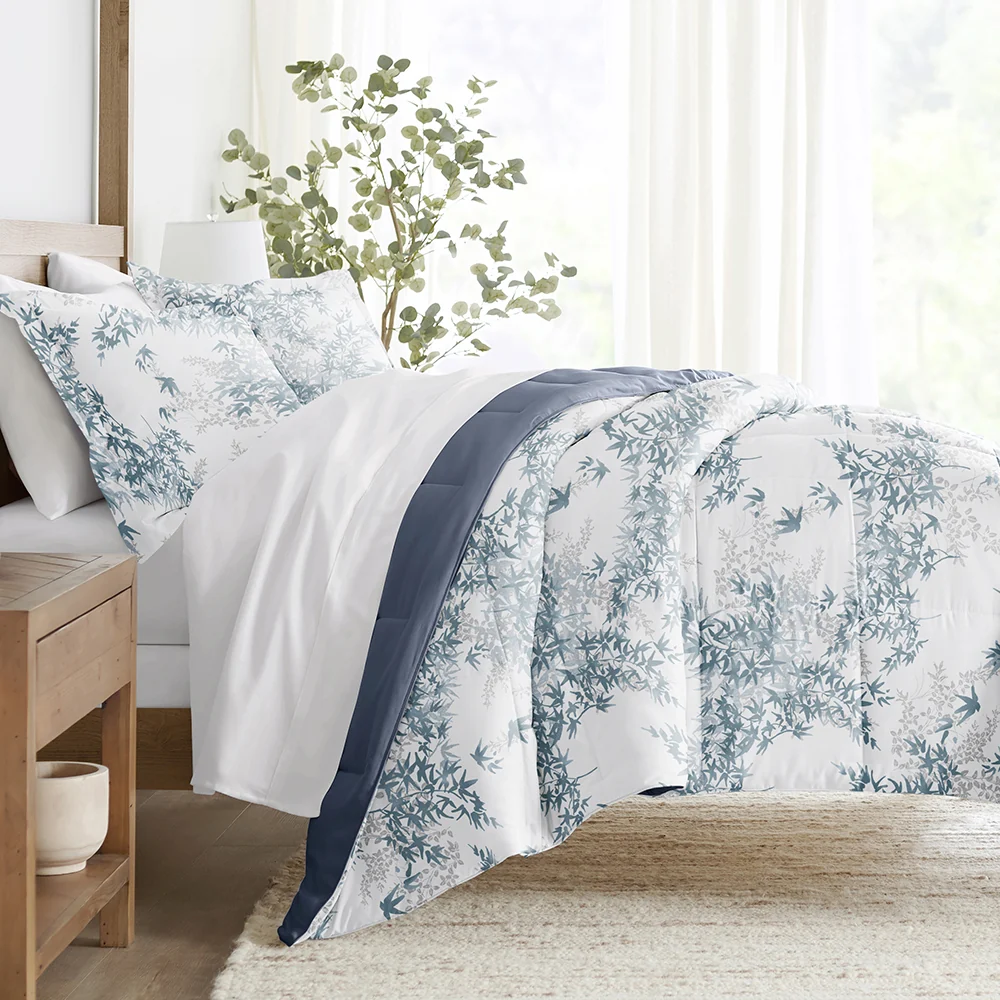
Your bedding should feel comfortable all year, but the same setup does not always work in every season. Heavy layers can feel too warm in summer, while lightweight bedding may not provide enough warmth in winter. The easiest approach is to adjust a few key pieces as the weather changes instead of replacing your entire bed. By choosing the right sheets, comforter weight, and extra layers, you can create a bed that feels comfortable through spring, summer, fall, and winter.
Choose Breathable Bedding for Spring
Spring weather can change quickly, so your bedding should be flexible enough to handle warmer afternoons and cooler nights.
Start with breathable sheets that feel soft without trapping too much heat. Cotton and other lightweight materials can help create a comfortable base as temperatures begin to rise.
A medium-weight comforter also works well during spring because it provides warmth without feeling overly heavy. Keep a lightweight throw or blanket nearby for cooler nights instead of adding several thick layers to the bed.
Spring is also a good time to introduce lighter colors or softer patterns. Fresh whites, pale blues, greens, and neutral tones can give the bedroom a brighter seasonal feel without requiring a full makeover.
Keep Summer Bedding Light
Summer bedding should help you stay comfortable when the bedroom feels warmer. Too many thick layers can trap heat and make it harder to relax at night.
Choose lightweight sheets made from breathable materials and keep decorative layers to a minimum. A thin quilt, coverlet, or lightweight comforter may be enough depending on your bedroom temperature.
If you prefer the fuller look of a comforter, choose one with a lighter fill instead of using a heavy winter option year-round.
You can also fold the comforter toward the foot of the bed before sleeping. This keeps the polished look during the day while making it easy to remove the extra layer at night.
Add Cozy Layers for Fall
Fall is a good time to start adding warmth back into your bedding without immediately switching to the heaviest setup.
Keep your regular sheets as the base, then introduce a warmer comforter or quilt as nighttime temperatures begin to drop. Adding one layer at a time makes it easier to adjust when the weather changes from day to day.
A textured throw at the foot of the bed can provide extra warmth while also making the room feel more seasonal. Deeper colors such as rust, forest green, navy, or warm beige can create a cozy look without changing every piece of bedding.
If your comforter needs replacing, this can also be a useful time to shop by size and warmth level. For example, if you have a queen-size bed, browsing comforter sets queen can help you find the right option that fits your mattress and seasonal comfort needs.
Build a Warmer Bed for Winter
Winter bedding should provide more warmth while still feeling comfortable enough to sleep under every night.
A thicker comforter can become the main layer during colder months. Pair it with soft sheets and add a quilt or blanket when extra warmth is needed.
Instead of stacking several heavy pieces, try using layers that can be removed individually. This gives you more control over temperature and prevents the bed from feeling too bulky.
You may also want to change the feel of the room with warmer textures. Plush throws, quilted bedding, and softer decorative pillows can make the bed feel more inviting during cold weather.
Pay Attention to Your Sleeping Temperature
Seasonal weather matters, but your personal sleep preferences are just as important. Some people naturally sleep warm and may prefer lightweight bedding even during winter.
Others feel cold at night and may need an extra layer throughout most of the year.
Think about how you normally feel when you wake up. If you are constantly kicking off blankets, your bedding may be too warm. If you regularly reach for an extra blanket, you may need a heavier main layer.
Your bedroom temperature also affects what works best. Air conditioning, heating, ceiling fans, and window placement can all change how warm or cool the bed feels.
Use Layers Instead of Replacing Everything
You do not need four completely different bedding sets for the four seasons. A few versatile pieces can make seasonal changes much easier.
Start with sheets you enjoy using most of the year. Then keep a lightweight quilt, a medium comforter, a heavier winter layer, and one or two throws available as needed.
Layering allows you to add warmth gradually rather than making a major bedding change every few months. It also makes storage simpler since you only need to put away the pieces that are not currently in use.
Keeping your main bedding colors fairly versatile can make this approach even easier. Seasonal throws, shams, and accent pillows can change the appearance of the bed without requiring you to replace the larger pieces.
Store Off-Season Bedding Properly
When you switch out seasonal bedding, clean everything before storing it. Body oils, dust, and other buildup can become harder to remove after sitting for several months.
Make sure each item is completely dry before folding it away. Storing damp bedding can lead to unwanted odors and moisture problems.
Use a clean, dry storage space such as a linen closet, under-bed container, or breathable storage bag. Avoid packing bulky comforters too tightly for long periods because heavy compression can affect their loft.
Keeping seasonal bedding organized also makes the next change much easier. Labeling storage containers can save you from searching through several blankets when the temperature suddenly changes.
Conclusion
Choosing bedding for every season is mostly about adjusting warmth and weight as your needs change. Keep a few versatile layers on hand and add or remove them throughout the year. With the right mix of breathable sheets, comfortable comforters, and easy layering pieces, your bed can stay inviting in every season.




Leave a Reply